


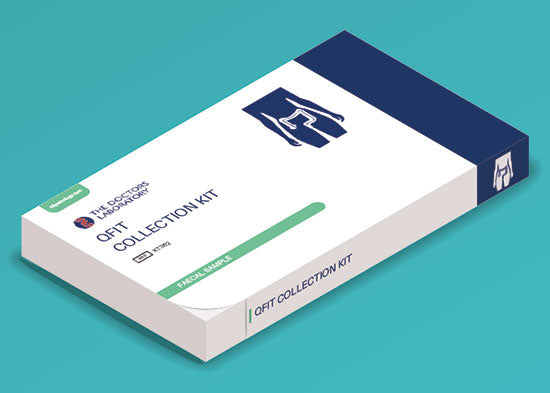
Order your kit
Your test arrives in discreet packaging with clear instructions.

Checks a stool sample for H. pylori antigen, indicating a current infection that can be associated with gastritis and ulcers. Medicines such as proton-pump inhibitors, antibiotics and bismuth can affect results, so follow the confirmed preparation instructions.
Clinicians use H. pylori antigen as part of investigating digestive symptoms or monitoring a known condition. The result may narrow the possibilities, but history, examination and other tests may still be needed for diagnosis.
Someone exploring the stated digestive marker with a clinician, provided urgent or persistent symptoms are not being delayed by postal testing.
Return the sample on the same day it is collected. Do not post over weekends or bank holidays.
The laboratory will report H. pylori antigen with an assay-specific reference range, threshold or qualitative interpretation. Read the biomarker explanation above for common reasons a result may be high, low, detected or reactive, then use the laboratory comment and clinical context to decide whether repeat or follow-up testing is needed.
Discuss a raised, detected or otherwise unexpected result with a GP or digestive-health clinician. Persistent symptoms, bleeding, weight loss or worsening pain need assessment even when the result is reassuring.
A result cannot identify every cause of digestive symptoms. Collection quality, medicines, recent infection and other conditions may affect interpretation.
Do not wait for a home-test result if you feel seriously unwell. Call 999 for a life-threatening emergency, or use NHS 111 when you need urgent advice and are unsure what to do.