


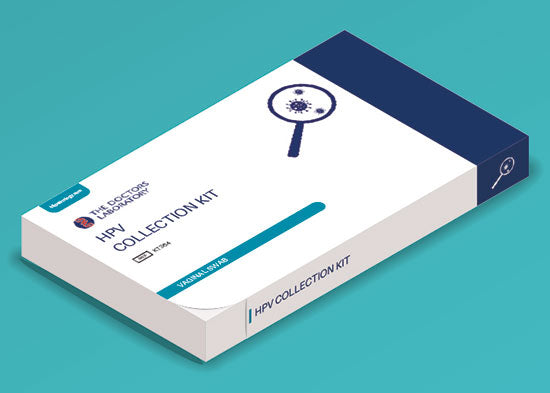
Order your kit
Your test arrives in discreet packaging with clear instructions.

Tests a self-collected vaginal swab for individually typed high-risk HPV DNA subtypes. It can identify high-risk HPV genetic material but does not diagnose cervical cancer or replace NHS cervical screening.
Clinicians use Individually typed high-risk HPV DNA subtypes to look for the listed infection, exposure or resistance markers at the sampled sites. Results may support diagnosis, but window periods, site selection and confirmatory testing remain important.
An adult considering private high-risk HPV testing who understands that this self-collected vaginal test does not replace NHS cervical screening or assessment of symptoms.
Follow the supplied vaginal-swab instructions. Return the sample on the same day and do not post over weekends or bank holidays.
Results are usually reported as detected, not detected, reactive or non-reactive rather than simply “normal”. A reactive or detected result may need confirmation or treatment; a non-detected result does not exclude exposure during the window period or infection at a site that was not sampled.
Share a detected, invalid or unexpected result with your GP or an appropriate cervical-screening or sexual-health service. Follow-up depends on age, screening history, symptoms and the reported HPV subtype.
This test covers the high-risk HPV DNA subtypes included in the laboratory panel. It does not assess cervical cells, replace cervical cytology or rule out cervical disease.
Contact a GP promptly about bleeding after sex, bleeding between periods, unusual discharge or persistent pelvic pain, regardless of the test result. Use NHS 111 for urgent advice or call 999 in an emergency.