


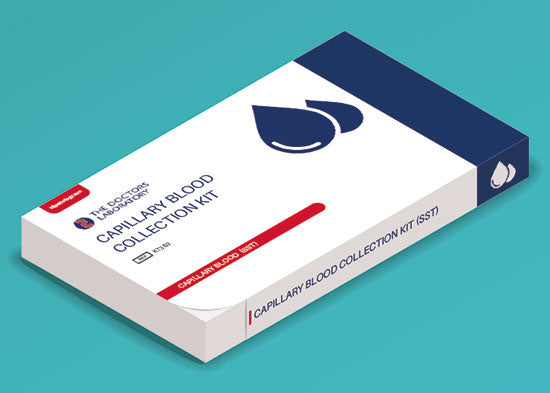
Order your kit
Your test arrives in discreet packaging with clear instructions.

Measures luteinising hormone (LH), part of the signalling pathway controlling ovulation and testosterone production. It is usually interpreted with other hormones and relevant timing rather than alone.
Clinicians use Luteinising hormone (LH) as part of hormone assessment, often with related hormones and carefully chosen collection timing. One value rarely establishes the cause of symptoms by itself.
An adult exploring the stated hormone marker with a clinician or monitoring an established plan, with collection timing and medicines taken into account.
Return the sample on the same day it is collected. Do not post over weekends or bank holidays.
The laboratory will report Luteinising hormone (LH) with an assay-specific reference range, threshold or qualitative interpretation. Read the biomarker explanation above for common reasons a result may be high, low, detected or reactive, then use the laboratory comment and clinical context to decide whether repeat or follow-up testing is needed.
Review the result with collection timing, medicines and related hormones in mind. Do not start, stop or change prescribed hormone or thyroid treatment from a single home-test result without clinician advice.
Hormone values can vary with collection time, age, medicines and biological state. A single result does not establish the cause of symptoms.
Do not wait for a home-test result if you feel seriously unwell. Call 999 for a life-threatening emergency, or use NHS 111 when you need urgent advice and are unsure what to do.