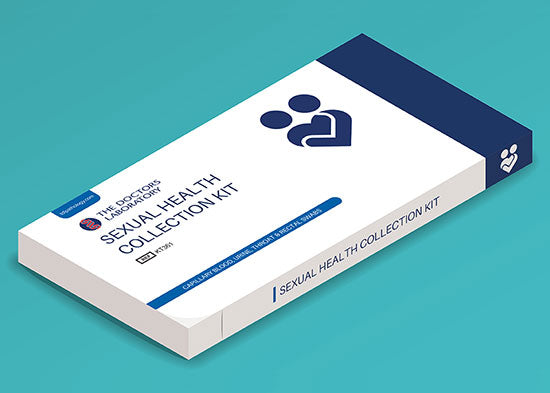
Combines blood, urine, throat and rectal samples to screen for the infections and markers listed below, including site-specific chlamydia and gonorrhoea testing and an M. genitalium macrolide-resistance component.
At a glance
-
Sample: Capillary blood, first-catch urine, throat swab and rectal swab
-
Collection: Collect the samples at home using TDL self-collect kit KT361
-
Estimated turnaround: 3 days from laboratory receipt of a usable sample
What this test measures
- HIV-1/2 antibodies and p24 antigen
- A fourth-generation blood screen for HIV immune response and an early viral antigen. A reactive screen is not a diagnosis and requires confirmatory testing. Testing too soon after exposure can miss infection.
- Syphilis IgG/IgM antibodies
- A blood screening marker that requires confirmation if reactive. A reactive screen can reflect current or previous infection and requires confirmatory testing, treatment history and clinical review.
- Hepatitis B surface antigen
- A blood marker that can be present during hepatitis B infection. A reactive result can indicate current hepatitis B infection and requires confirmatory testing and clinical follow-up.
- Hepatitis C antibodies
- A blood marker of possible hepatitis C exposure, not proof of current infection. A reactive result shows possible previous exposure and requires an RNA test to determine whether infection is current.
- Chlamydia trachomatis — urine, throat and rectal sites
- The bacterium that causes chlamydia, tested at the listed sites. A detected result needs interpretation for the sampled site, symptoms and possible colonisation or confirmatory testing; a non-detected result can be unreliable if testing was too early or the wrong site was sampled.
- Neisseria gonorrhoeae — urine, throat and rectal sites
- The bacterium that causes gonorrhoea, tested at the listed sites. A detected result needs interpretation for the sampled site, symptoms and possible colonisation or confirmatory testing; a non-detected result can be unreliable if testing was too early or the wrong site was sampled.
- Mycoplasma genitalium
- A sexually transmitted bacterium. A detected result needs interpretation for the sampled site, symptoms and possible colonisation or confirmatory testing; a non-detected result can be unreliable if testing was too early or the wrong site was sampled.
- Ureaplasma species
- Bacteria that can be present without disease; clinical value depends on symptoms and context. A detected result needs interpretation for the sampled site, symptoms and possible colonisation or confirmatory testing; a non-detected result can be unreliable if testing was too early or the wrong site was sampled.
- Trichomonas vaginalis
- A sexually transmitted parasite. A detected result needs interpretation for the sampled site, symptoms and possible colonisation or confirmatory testing; a non-detected result can be unreliable if testing was too early or the wrong site was sampled.
- Gardnerella vaginalis
- A bacterium associated with bacterial-vaginosis patterns; detection requires symptom context. A detected result needs interpretation for the sampled site, symptoms and possible colonisation or confirmatory testing; a non-detected result can be unreliable if testing was too early or the wrong site was sampled.
- Herpes simplex virus types 1 and 2
- Viruses that can cause oral or genital herpes; the public page does not state the specimen-to-target mapping. A detected result needs interpretation for the sampled site, symptoms and possible colonisation or confirmatory testing; a non-detected result can be unreliable if testing was too early or the wrong site was sampled.
- Macrolide resistance test for M. genitalium
- Looks for resistance associated with macrolide treatment; the exact markers are not stated publicly. A resistance-associated result can help a clinician choose treatment, but it does not replace confirmation of infection or cover every possible resistance mechanism.
How clinicians use this test
Clinicians use the 12 listed markers to look for the listed infection, exposure or resistance markers at the sampled sites. Results may support diagnosis, but window periods, site selection and confirmatory testing remain important.
Is this the right test for you?
Adults seeking testing for the listed infection(s) and sampled site(s), particularly after an appropriate test window. People with symptoms or a known contact should use a sexual-health service.
Preparation and collection
Follow the instructions for each sample site. Return the samples on the same day and do not post over weekends or bank holidays.
Understanding your result
Results are usually reported as detected, not detected, reactive or non-reactive rather than simply “normal”. A reactive or detected result may need confirmation or treatment; a non-detected result does not exclude exposure during the window period or infection at a site that was not sampled.
Your results and next steps
Review positive, reactive, unexpected or persistent-symptom results with a sexual-health service. Partners and treatment should be managed using clinician advice.
Limitations
This test covers only the listed infections and sampled sites. Testing during a window period can miss infection, and reactive screening results may require confirmation.
When to get medical help
Do not wait for a postal result if you have symptoms, a known contact, are pregnant with a concern, or may need time-critical HIV post-exposure prophylaxis. Contact an NHS sexual-health service. Call 999 for a life-threatening emergency.