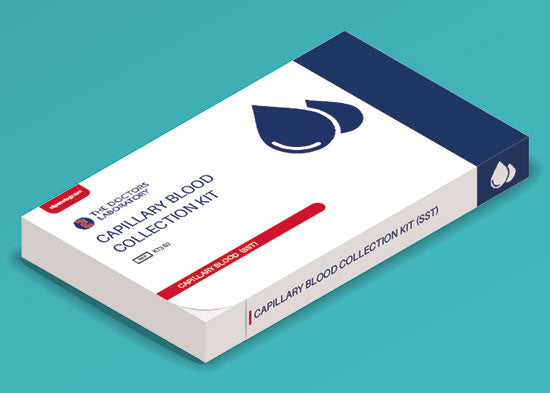
Measures seven liver-related markers and intentionally excludes alanine transaminase (ALT). The pattern may identify results worth discussing, but it cannot diagnose the cause of an abnormal result on its own.
At a glance
-
Sample: Capillary blood in a Gold Microtainer
-
Collection: Collect the blood sample at home using TDL self-collect kit KT353
-
Estimated turnaround: 1 day from laboratory receipt of a usable sample
What this test measures
- Aspartate transaminase (AST)
- An enzyme found in the liver and other tissues that can rise with cell injury. A raised result can occur with liver or muscle injury and needs the wider liver profile, symptoms, medicines and alcohol history for context.
- Bilirubin
- A pigment produced during red-blood-cell breakdown and processed by the liver. A raised result may occur with increased red-cell breakdown, impaired liver processing or bile-flow problems; some inherited causes are harmless.
- Total protein
- The combined amount of major proteins in blood. A high or low result reflects the balance of albumin and globulins and can change with hydration, inflammation, liver disease or protein loss.
- Alkaline phosphatase (ALP)
- An enzyme associated with the liver, bile ducts and bone. A raised result can come from the liver, bile ducts or bone, so other markers and clinical context help identify the likely source.
- Albumin
- A protein made mainly by the liver. A low result can occur with inflammation, liver or kidney disease, poor nutrition or fluid changes and is not specific to one condition.
- Globulin
- A group of blood proteins involved in immune and other functions. A high or low result can reflect changes in immune proteins, hydration, liver function or protein loss and may need more specific testing.
- Gamma-glutamyl transferase (GGT)
- An enzyme that can change with liver or bile-duct conditions and alcohol exposure. A raised result can occur with alcohol exposure, medicines or liver and bile-duct conditions, but it is not specific to one cause.
How clinicians use this test
Clinicians use the 7 listed markers to investigate relevant symptoms, monitor a known condition or add context to a broader health assessment. The result can support a diagnosis or next-step decision, but it is not a diagnosis on its own.
Is this the right test for you?
This may suit someone who specifically wants to check the 7 listed markers, or repeat the marker(s) as part of an established monitoring plan. Check that the listed panel matches the question you want answered before ordering. The test should not delay assessment of persistent or worsening symptoms.
Preparation and collection
Return the sample on the same day it is collected. Do not post over weekends or bank holidays.
Understanding your result
The most useful information is usually the pattern across the 7 listed markers, not one isolated flag. Related markers can support or contradict each other, and a mildly out-of-range value may reflect normal biological variation, collection conditions or temporary illness rather than disease.
Your results and next steps
Review the 7 listed markers against the reference range and laboratory comment, then consider whether the pattern fits your symptoms, medicines and reason for testing. Share a concerning or unexpected result with a clinician before changing treatment, supplements or diet.
Limitations
The result is a snapshot from one sample. It cannot diagnose a condition on its own; values inside or outside a reference range require clinical context.
When to get medical help
Do not wait for a home-test result if you feel seriously unwell. Call 999 for a life-threatening emergency, or use NHS 111 when you need urgent advice and are unsure what to do.